
Tone Woods
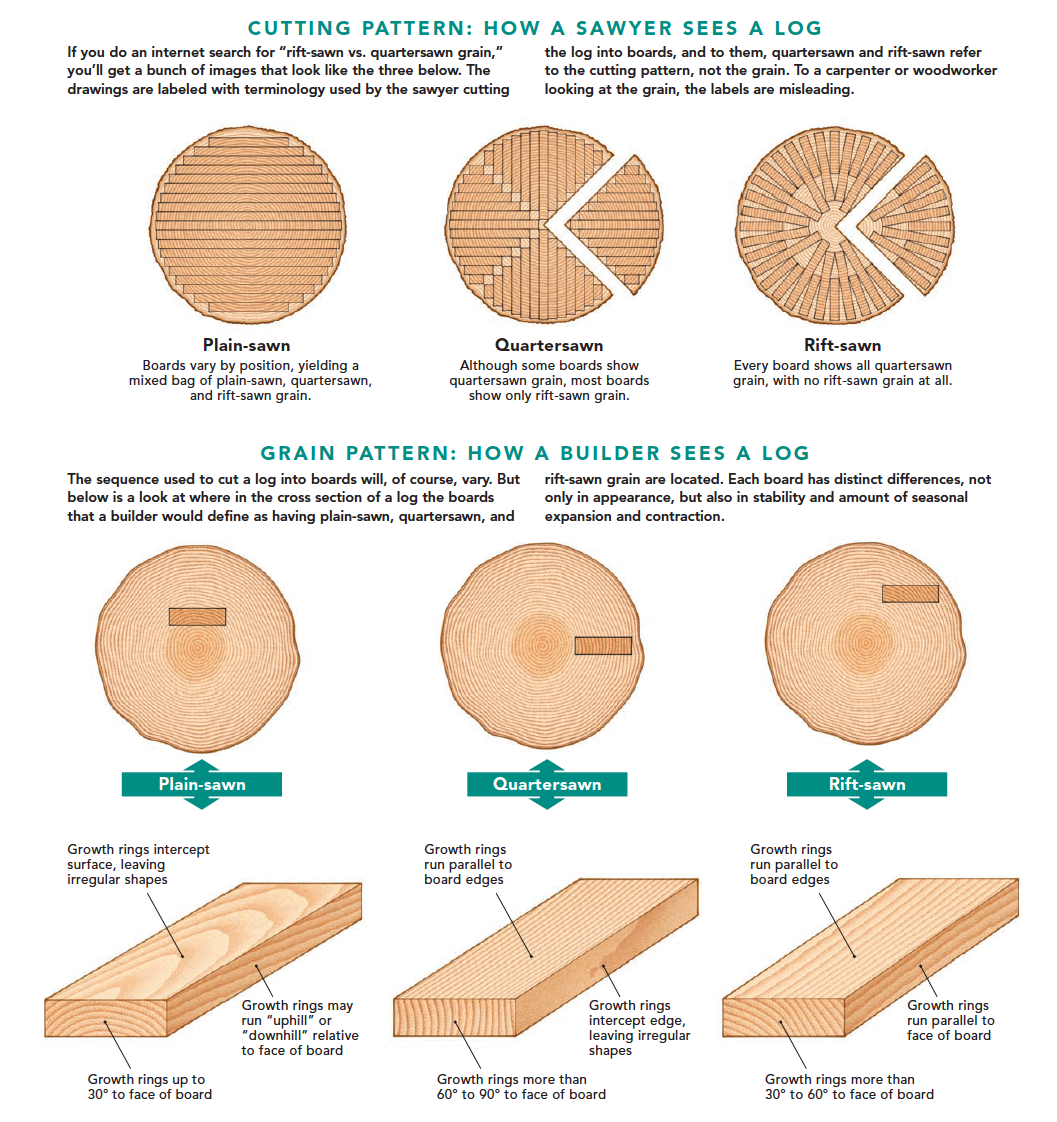
Tone wood is sort of a misnomer. What it denotes is instrument grade timber, which means it’s the best of the best cuts aesthetically and functionally. It’s usually quarter sawn and dried to a low moisture content before it gets tagged as “Tone Wood”.
In my experience figured wood doesn’t sound any better than non-figured wood. There is however a certain haunting mood that a beautiful instrument with flame or quilt figure can create for an artist. Breathtaking wood will hopefully trigger you to pick it up and play it more, and to inspire your music to be proud and joyful.
Asking “What will this wood sound like compared to that wood?” is highly subjective, and not a question that anyone can really answer in any non abstract way. This wood sounds “darker” than that wood, and this one is “bright” and that one is isn’t ect. The truth is that the design of the guitar will mostly influence the tone, and while the kind of timber used will change that sound a bit, it’s not something I can say I even have a preference for. I like maple because it’s beautiful and plentiful compared to other tone woods.
Here’s the truth: Every piece of timber is different, and will sound unique. Aesthetics should be the bigger factor(but not the only) when choosing wood for your build as the sound it may or may not produce as a final finished instrument is speculative at best. Instrument grade wood is uniform in appearance and free of knots or other structural defects. This kind of wood makes for the best instruments in terms of strength and longevity. That’s basically the default for any wood I would ever suggest to use, so if it has amazing grain or figure, that can make it inspiring AND resilient.
That said, certain woods just make sense for certain jobs. My personal preferences for woods is as follows: Wisconin Curly Maple for tops, backs, sides, bindings, purflings and necks. Gaboon Ebony fretboard and appointments. African Mahogany for M4 body blanks and all interior linings. Sitka Spruce for bracing. Most importantly, my personal preferences are just that. I love using all kinds of hardwoods in various configurations.
Here’s a list of possible choices of hardwoods I’d recommend using for your build:
Maple
Walnut
Rosewood
Ebony
Bubinga
Spruce
Padauk
Leopard Wood
Acacia
Koa
Blackwood
Purple Heart
Leopard Wood
Lace Wood
Mango
Cherry
Wenge
There are lots of others out there that are less common, or that fit as a subspecies into one of the species listed above. https://tonewooddatasource.weebly.com/ is a great source for more information.
All of the international lumber I use is CITES approved at minimum. There are woods I might refuse to use for various reasons, and we can get into that if you want something that falls on that list.